How to Choose the Best Fillet Knife for Fish and Poultry: A Complete Buyer's Guide
By Dalstrong | Published: 2026-07-19
Category: Buying Guides
Learn how to choose the best fillet knife for fish and poultry. Compare flexible vs stiff blades, curved vs straight edges, and find the right length for your needs.
Whether you're cleaning a fresh catch or breaking down a whole chicken, a dedicated fillet knife makes the job faster and safer. Unlike a chef's knife, a fillet knife is designed to glide along bones and under skin with minimal waste. But with so many options—flexible vs stiff, curved vs straight, short vs long—it's easy to get overwhelmed. This guide breaks down the key factors so you can pick the right tool for your kitchen or outdoor setup.
We'll cover blade flexibility, edge shape, length, handle comfort, and the important distinction between a boning knife and a fillet knife. By the end, you'll know exactly what to look for in a fillet knife buying guide, whether you're prepping salmon fillets or trimming poultry.
Flexible vs Stiff Fillet Knives: Which Blade Suits Your Task?
Blade flexibility is the most important decision when choosing a fillet knife. A flexible fillet knife bends easily, allowing the blade to follow the contours of a fish's backbone and rib cage. This makes it ideal for delicate fish like trout, flounder, or salmon, where you want to separate the fillet cleanly without tearing the flesh. The flex also helps you work the knife under the skin for a perfect removal.
For poultry and thicker fish like tuna or swordfish, a stiffer blade gives you more control and leverage. A stiff fillet knife won't wobble when you're cutting through joints or around thigh bones. If you plan to use the same knife for both fish and chicken, look for a medium-flex blade. That compromise handles most tasks without being too floppy or too rigid.
- Tip: Test flex by holding the tip and gently pressing the blade against a cutting board. A 15-20 degree bend is good for general use.
Curved vs Straight Fillet Knife: What Each Edge Does Best
The curved fillet knife uses a belly-shaped blade that excels at long, sweeping cuts. This shape is perfect for skinning fish: you start the cut at the tail, then rock the curve along the skin while pulling the fillet free. The curve also helps when trimming belly fat or making smooth, continuous slices. Many experienced anglers prefer a curved blade for whole fish because it reduces the number of passes needed.
A straight or semi-straight edge gives you more precision for detail work, such as removing pin bones or trimming silver skin from poultry breasts. Straight blades are also easier to sharpen evenly. If you mostly fillet round fish (like bass or snapper) and occasionally break down chicken, a curved blade is more versatile. For boneless poultry prep and small fish, a straight edge may feel more controlled.
- Tip: A curved fillet knife is often better for beginners because the belly guides the cut naturally.
Fillet Knife Length Guide: Matching Blade Size to Your Catch
Fillet knives typically range from 6 to 9 inches. A good rule of thumb: choose a blade about as long as the fish's body is wide. For panfish, trout, and small snapper, a 6-inch blade offers nimble control. For medium fish like walleye or pike, 7 to 8 inches is ideal. Large fish such as salmon, tuna, or striped bass call for a 9-inch blade that can make one smooth cut along the entire side.
For poultry, a shorter blade (6 to 7 inches) gives you better maneuverability around joints and wing sockets. Longer blades can feel clumsy when deboning a chicken thigh or separating a drumstick. If you want one knife for both fish and poultry, an 8-inch fillet knife is a solid compromise. It's long enough for salmon fillets yet short enough for chicken prep.
- Tip: A 9-inch fillet knife is great for large fish but may feel unwieldy for small birds or quail.
Boning vs Fillet Knife: What's the Difference?
Many cooks confuse boning and fillet knives, but they serve different purposes. A boning knife has a stiffer blade and is designed to separate meat from bone, especially in beef, pork, and poultry. Its rigidity lets you cut through cartilage and scrape bones clean. A fillet knife, by contrast, is thinner and more flexible, built for sliding under skin and around delicate fish bones.
If you regularly break down whole chickens, a boning knife is often a better choice. For fish, a fillet knife is essential. Some hybrid knives claim to do both, but they rarely excel at either. For the home cook who does both tasks, owning one of each is more practical than forcing a single blade into both roles. Consider a dedicated poultry fillet knife for chicken and a separate flexible knife for fish.
- Tip: For poultry, a stiff boning knife with a curved blade (like a 6-inch model) gives you the best control around joints.
Handle Comfort and Grip: Don't Overlook Ergonomics
A fillet knife demands precision, and that starts with a handle that feels secure even when wet. Look for textured or contoured handles made from materials like polypropylene, rubberized composites, or stainless steel with silicone inserts. A full tang (where the blade extends through the handle) adds balance and durability. Avoid slick, round handles that force you to grip too tightly, which leads to fatigue.
Weight also matters. A heavier handle shifts the balance toward your palm, reducing wrist strain during repetitive cuts. Some fillet knives feature a finger guard to prevent your hand from slipping onto the blade. If you plan to use the knife for extended cleaning sessions, test the grip in person or read reviews about handle comfort. A knife that feels great in the store may become uncomfortable after 30 minutes of use.
- Tip: Try the Santoku Knife 7" | Spartan Ghost™ Series | Dalstrong © for a balanced, ergonomic handle that works well for both fish and vegetable prep.
Top Fillet Knife Recommendations for Fish and Poultry
When shopping for a fillet knife, consider the Dalstrong Gladiator Series, which offers NSF-certified blades with a good balance of flexibility and edge retention. For a dedicated fish knife, look for a thin, flexible blade between 7 and 9 inches. The Slicing Knife 12" + Boning Knife 6" | Shogun Series | Elite set gives you both a slicer for large fish and a boning knife for poultry, covering your bases without buying separate tools.
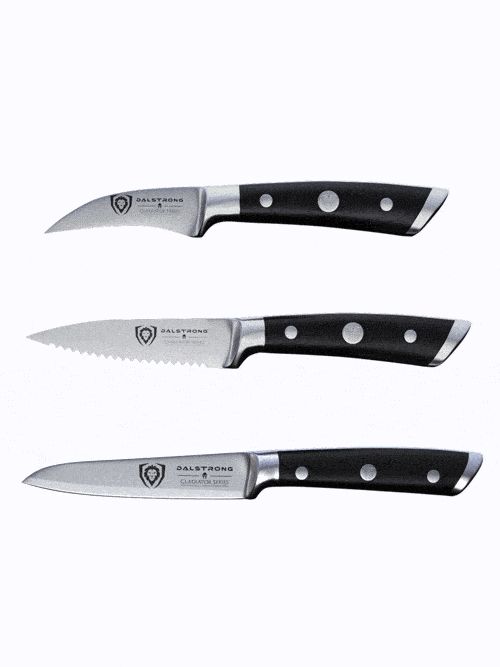
For those who want a single knife for both tasks, the 3-Piece Paring Knife Set | Gladiator Series | NSF Certified | Dalstrong © includes a paring knife for detail work, but you'll still want a dedicated fillet or boning knife for larger cuts. Remember that a good fillet knife should hold its edge well—look for high-carbon stainless steel with a hardness around 58-60 HRC for easy sharpening and long-lasting sharpness.
- Tip: Pair your fillet knife with a Canvas Knife Roll | Call of Duty © Edition for safe transport to the lake or grill.
Choosing the best fillet knife for fish and poultry comes down to blade flexibility, edge shape, length, and handle comfort. A flexible, curved blade around 8 inches works for most home cooks, while a stiffer, shorter knife suits poultry work. Don't forget to sharpen regularly and store your knife properly. With the right tool, every fillet and deboning job becomes cleaner, faster, and more enjoyable.


